

Sea Turtle Releases in Puerto Vallarta: The July-to-December Guide
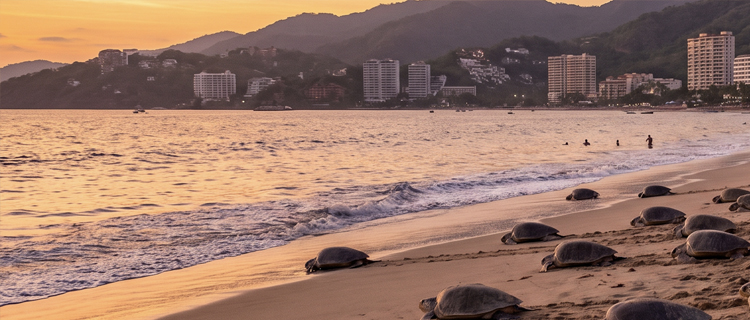
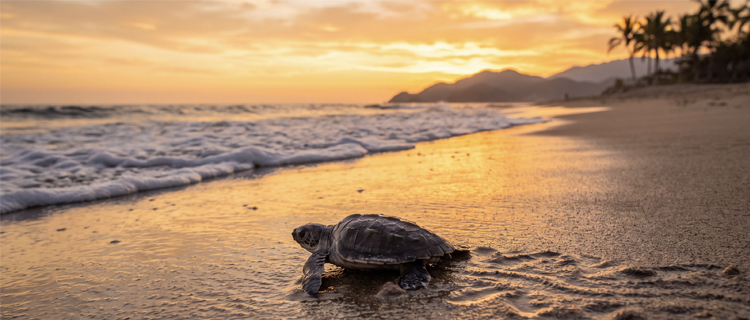
Few things you can do in Puerto Vallarta stay with you like standing barefoot on a beach at sunset, a tiny Olive Ridley hatchling no bigger than a bottle cap in your cupped hands, feeling its flippers paddle against your palm, and then setting it down on the cool sand to watch it scramble toward the surf and vanish into a wave. The whole beach goes quiet for it. Every summer and fall, sea turtles come ashore to nest on the beaches of Banderas Bay, conservation camps protect those nests, and at dusk they invite visitors to help release the hatchlings that emerge. It is free or nearly free, it is open to everyone, and it may be the most meaningful hour of your trip. This guide covers the whole phenomenon: when the season runs, how a release works, where to join a legitimate one on both sides of the bay, and the etiquette that keeps it safe for the turtles.
The short answer
Olive Ridley sea turtles nest on Banderas Bay beaches through the summer, and conservation camps release the hatchlings at sunset from roughly July through December, with releases peaking in October and November. You join a release through a public conservation camp or a hotel program on either the Puerto Vallarta or the Nuevo Vallarta and Bucerias side, often free or by donation. Releases are guided by biologists, held at dusk to protect the hatchlings, and governed by simple rules: no flash, touch only as directed, and let the babies crawl to the sea themselves. It is one of the most moving experiences on the bay, especially for families.
The phenomenon and the conservation camps
The star of the show is the Olive Ridley, or golfina, the small sea turtle that accounts for the large majority of nests in Banderas Bay, alongside the occasional green or black turtle and, rarely, a giant leatherback. Each summer, females haul themselves onto the bay's beaches after dark, dig a nest, lay roughly a hundred eggs, and return to the sea. It is an ancient rhythm, and a fragile one, which is where the conservation camps come in. Because unprotected nests are lost to poaching, predators, and high tides, teams of biologists and volunteers relocate the eggs to protected hatcheries, where they incubate for about 45 to 60 days before the hatchlings emerge.
That protection matters enormously. In the wild only about one in a thousand hatchlings survives to adulthood, but by shielding the nests, the camps raise the share of eggs that make it to the water from historically low levels to well over ninety percent. Every hatchling you help release is one the ocean would very likely never have seen otherwise, and the survivors may return to this same stretch of sand to nest some twenty years later, which means the hatchling a child releases this October could be laying her own eggs on that beach when that child is grown. All sea turtles are protected under Mexican law, which is exactly why releases are run only by permitted camps and why joining a legitimate one is part of doing this right.
Sea turtle season, month by month
The season has a clear shape, from the first nesting females of the summer to the last releases of the year, and knowing it helps you time a trip around the experience. Here is how nesting and hatchling releases rise and fall across the months, and what you can expect to see in each. The etiquette checklist that follows is worth a read before you go; it is short, and it is the difference between helping and hurting.
The season at a glance
| Month | Nesting (females laying eggs) | Releases (hatchlings to the sea) | What you will see |
|---|---|---|---|
| July | Building | Just starting | The season opens. Nesting females start coming ashore after dark, and the very first hatchlings of the year begin to emerge late in the month. Releases are just getting going. |
| August | High | Building | Nesting is in full swing and the first steady releases begin, so this is one of the months you might witness both a protected nest and a sunset release on the same trip. |
| September | Peak | High | Peak nesting, with releases building fast. Warm evenings, busy conservation camps, and strong odds of joining a release most nights. |
| October | Winding down | Near peak | Nesting tapers as releases surge toward their peak. One of the best months to join a sunset release, with lots of hatchlings and pleasant evenings. |
| November | Nearly over | Peak | Nesting is essentially over, but releases are at their height, which makes this prime time for the experience, with cooler, comfortable evenings on the sand. |
| December | Done | Tapering | The tail of the season. Fewer releases, but the camps are still sending hatchlings to the sea, a quieter and still-magical way to close out the year. |
Etiquette checklist: review before you go
- No flash and no white light; use red light or night mode
- Only touch a hatchling when the biologist hands you one
- Keep sunscreen and repellent off your hands
- Set them on the sand; never place them in the water
- Stay behind the line and keep the path to the sea clear
- Do not walk on the nesting zone or the dunes
- Never disturb a nesting female; tell the camp or call 911
- Choose a legitimate, permitted conservation camp
Activity levels are a general seasonal guide based on typical patterns and vary year to year. Release times are set day of, depending on which nests hatch, so camps usually announce them on social media. All sea turtles are protected under Mexican law; only permitted camps may handle them.
How a release works
A release is a calm, guided ritual rather than a free-for-all, and it almost always happens at sunset, with the sky doing its best work behind you. There is usually a short talk first, where a biologist explains the turtles, the camp's work, and the rules, and then the hatchlings are brought out, often carried in coconut shells, and handed to participants one at a time. You place your hatchling on the sand above the waterline and watch it make its own way down the beach, flippers churning, pausing, churning again, until a wave reaches up and takes it. Then you cheer, along with everyone else, and reach for another.
The sunset timing is not for the photos, it is for the turtles. By dusk the sand has cooled from the day's punishing heat, the birds and crabs that prey on hatchlings have quieted, and the low natural light helps the babies find their bearings toward the bright open horizon over the ocean. And the crawl itself is essential: dragging themselves down the sand is how hatchlings build the strength they need and imprint on the beach, which is why a good camp will never let you drop one straight into the water. Most community camps ask only for a small donation, hotel programs are usually free for guests, and guided tours fold a camp donation into the price.
How to join a release
Releases happen on both sides of Banderas Bay, and you can join one through a public conservation camp or a hotel program. On the Puerto Vallarta side, the best-known public option is the Campamento Tortuguero at Boca de Tomates, near the airport, which runs biologist-led releases and posts its nightly times on social media. Several resorts, including the Marriott with its long-running on-site program, also host releases, generally for their guests, and established operators such as Ecotours Vallarta run guided sunset releases open to the public.
On the Riviera Nayarit side, the municipal turtle camp in Nuevo Vallarta, on Flamingos Beach, is the main public camp, typically releasing around dusk for a small fee, and there are well-regarded community camps farther up the coast in Sayulita and San Pancho. Many Nuevo Vallarta and Bucerias resorts run guest releases as well. The pattern to remember is simple: hotel programs tend to be for guests and free, community camps are open to everyone for free or a small donation, and because the exact timing depends on which nests hatch that day, you confirm it the day of by checking the camp's social media or asking your host. A turtle release also makes a wonderful addition to the lineup in our guide to the best tours and activities in Puerto Vallarta.
Etiquette and ethics
The rules exist to protect the hatchlings, and following them is the whole point. The biggest one is light: no flash and no bright white light, which disorients the babies and can send them the wrong way, so use a red light or your phone's night mode only. Touch a hatchling only when the biologist hands you one, and keep sunscreen and bug repellent off your hands, since those chemicals transfer to their delicate skin. Set them on the sand and let them crawl, never place them in the water, stay behind the marked line, keep the path to the sea clear, and do not walk on the nesting zones or the dunes.
Just as important is choosing the right program in the first place. A legitimate, permitted conservation camp will handle the turtles carefully and release them at dusk; steer clear of any operation that keeps hatchlings penned up for daytime photo opportunities, which stresses them and is now restricted by law. And if you come across a nesting female on the beach on your own, leave her be, keep your distance and your lights off, and report her to the local turtle patrol or by calling 911 so the camp can protect her nest.
Why it is so moving, especially for families
Plenty of experiences on the bay are beautiful, but a turtle release is the one people tend to get quiet about afterward. There is something about holding a creature the size of a bottle cap, knowing the odds it faces, and then watching it choose the sea anyway, that lands differently than any tour or view. For families it is close to perfect: children can take part hands-on, gently carrying their hatchling to the sand and willing it into the waves with a seriousness that surprises their parents, and it turns into a real lesson in conservation that no aquarium can match. Kids who could not sit still at dinner will stand motionless at the water's edge for ten minutes, tracking one tiny shape through the foam. It is gentle, it is guided, it costs little or nothing, and it asks something small and good of you in return. On a coast full of spectacular ways to spend an evening, this is the one that tends to become the story of the trip, the one that gets retold at the next family dinner, and the one that brings people back the following year to do it again.
Frequently asked questions
When is sea turtle release season in Puerto Vallarta?
The hatchling releases run from roughly July through December, sometimes into January. The first hatchlings emerge in late July, and releases build to their peak in October and November before tapering in December. Nesting, when the females come ashore to lay, runs alongside it and peaks in late summer, so August through October is the window when you might see both nesting activity and a sunset release.
Where can I join a turtle release?
There are conservation camps and hotel programs on both sides of the bay. On the Puerto Vallarta side, the public camp at Boca de Tomates, near the airport, is the best-known, and the Marriott resort runs a long-standing program. On the Riviera Nayarit side, the municipal camp in Nuevo Vallarta is the main public option, with community camps farther up the coast in Sayulita and San Pancho. Many resorts also run releases for their guests. Release times are set day of, so camps usually post them on social media.
How much does a turtle release cost?
It ranges from free to a modest tour price. Community and municipal camps are typically free or ask a small donation or recovery fee, and resort programs are generally free for hotel guests. Organized guided tours that include transport, a biologist, and a camp donation usually run in the range of 50 to 65 US dollars per person. Either way, the money supports the camps that protect the nests, so it is worth giving generously.
Why are the releases held at sunset?
Timing protects the hatchlings. At dusk the sand has cooled from the day's heat, the birds, crabs, and fish that prey on hatchlings are less active, and the soft natural light helps the babies orient toward the brighter open horizon over the ocean. Just as important, letting them crawl down the sand themselves, rather than being placed in the water, is how they build strength and imprint on the beach so the females can return to nest here decades later.
Is joining a turtle release ethical and safe for the turtles?
Yes, when you go with a legitimate, permitted conservation camp and follow the rules. The biologists there raise the share of eggs that survive to hatchlings dramatically compared with an unprotected nest, so these programs genuinely help. What to avoid is any operation that keeps hatchlings penned for daytime photo opportunities, which stresses them and is now restricted by law. Follow the biologist's instructions, skip the flash, and set the hatchlings on the sand rather than in the water.
Is a turtle release good for kids and families?
It is one of the most family-friendly and genuinely moving things you can do on the bay. Children can take part, gently carrying a hatchling to the sand and cheering it to the sea, and it doubles as a real, memorable lesson in conservation, since only about one in a thousand hatchlings survives to adulthood. The calm, guided, sunset format suits all ages, and it tends to be the moment families talk about long after the trip.
What should I know before I go?
A few practicalities make for a smoother evening. Release times are decided the day of, based on which nests hatch, so check the camp's social media or ask your host rather than counting on a fixed hour. Apply bug repellent and sunscreen before you arrive and keep them off your hands, bring a red light or use your phone's night mode instead of flash, wear sandals you can walk on sand in, and come patient: the wait is part of the experience, and the payoff is worth it.
Come in the warm months, find a permitted camp, follow the biologist's lead, and give yourself over to it. You will leave the beach with sand on your feet, a little salt in your eyes, and the quiet satisfaction of having helped a very small creature toward a very big ocean. The bay does not offer a better evening than that.
Stay close to the sand with Naya Homes
Turtle season runs through the warm months, when the bay is at its greenest and the rentals are at their most welcoming, and a Naya Homes rental near the water puts you within easy reach of the conservation camps on both the Puerto Vallarta and Riviera Nayarit sides for a sunset release. Our local team is happy to point you toward the camps and their release announcements. Browse Naya Homes vacation rentals, explore the wider Puerto Vallarta area, or get in touch and let us help you plan a trip around the hatchlings.
Book your turtle-season stay with Naya Homes